What does root shadow mean?
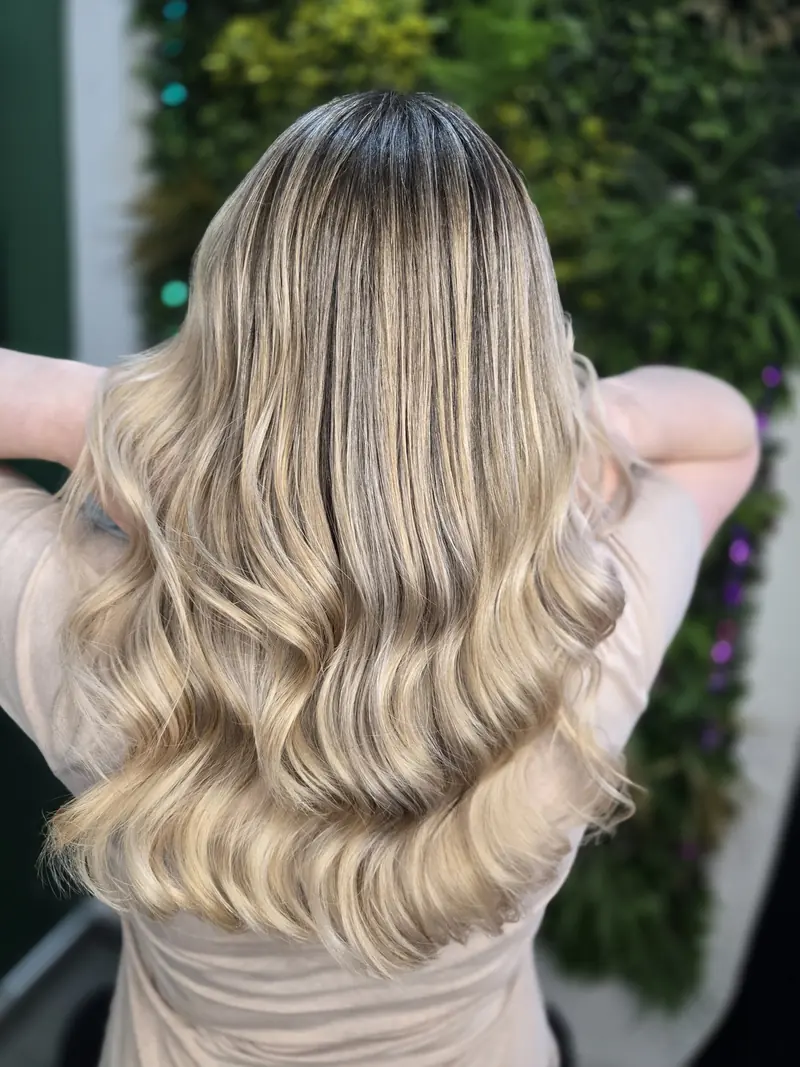
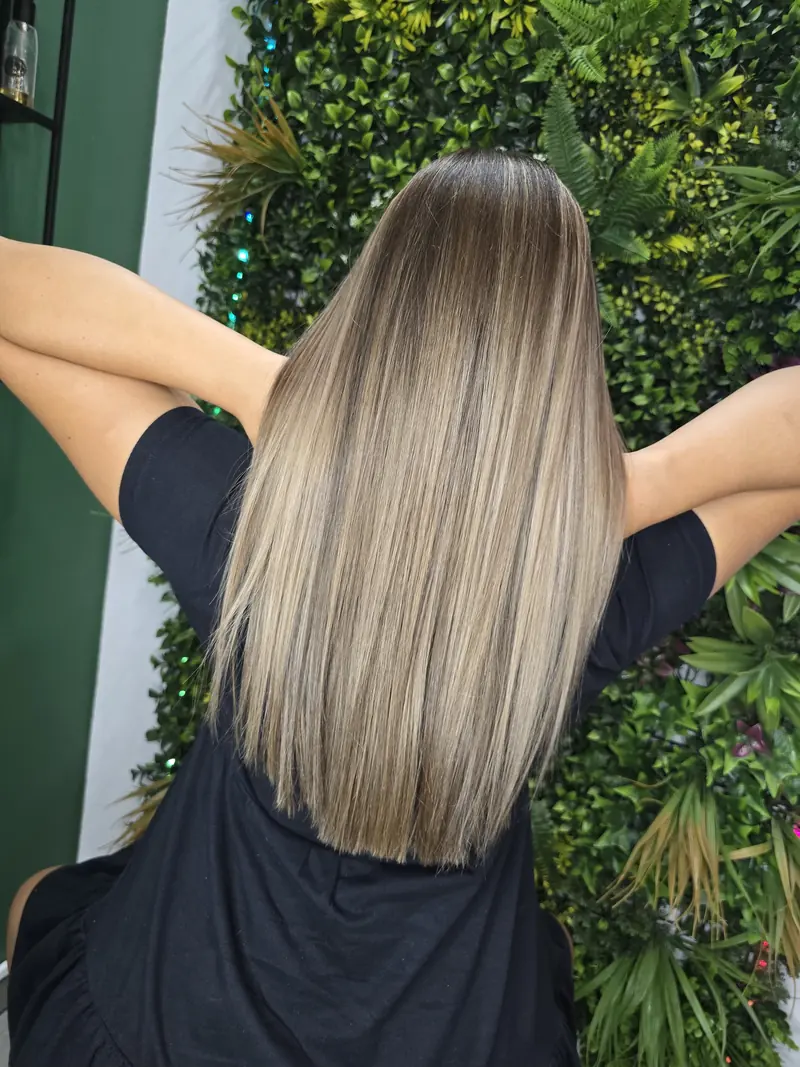
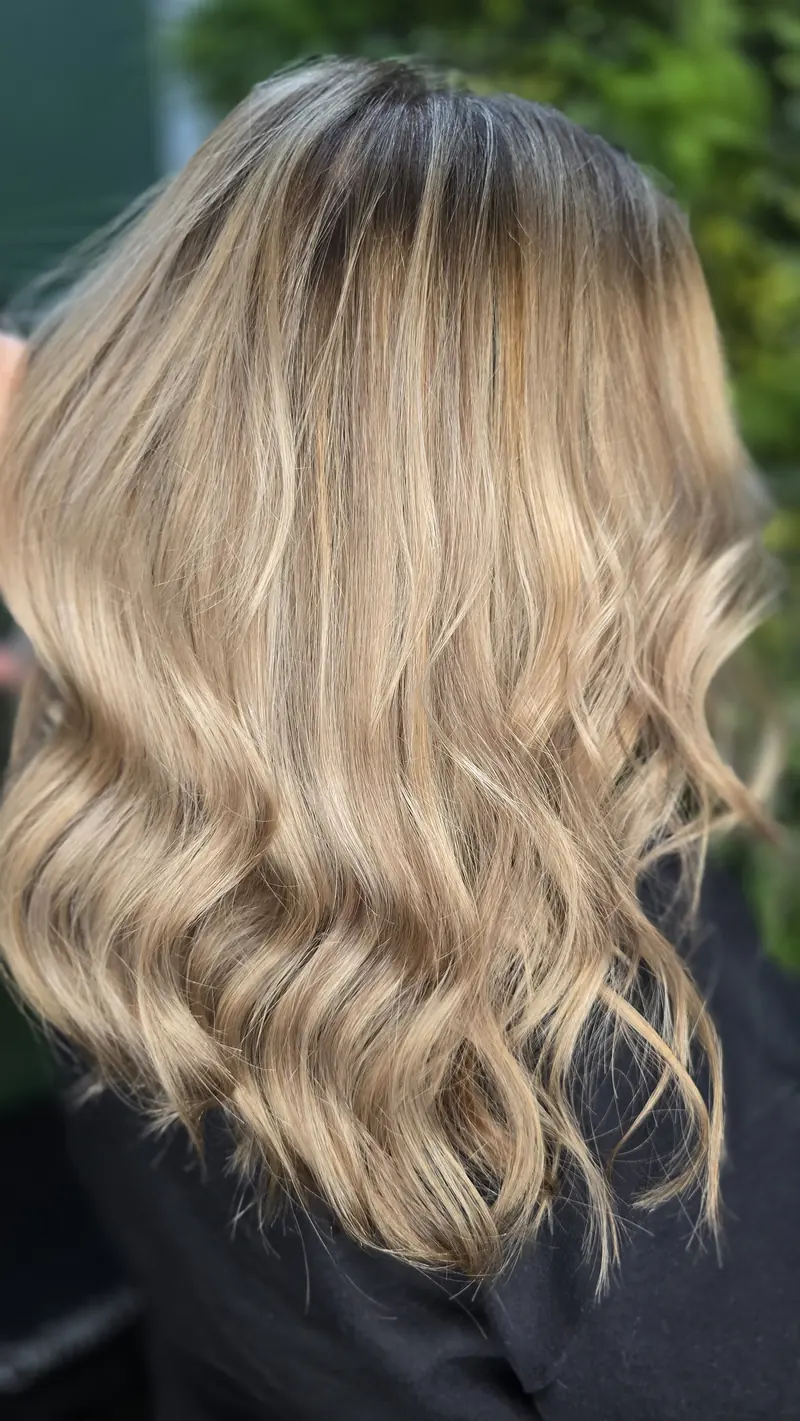
The name describes a shadow at the roots: a darker area close to the scalp that blends smoothly into lighter sections. The aim is not to paint on a harsh dark band. A carefully planned shadow graduates into the lengths and works with the placement of the highlights. It can accompany balayage, highlights or a brighter overall blonde.
How far the shadow extends is an important part of the design. A narrow shadow creates a different result from a deeper shaded area covering more of the upper section. At your consultation, discuss how much brightness you want to see along your parting and around your face. Simply asking for darker roots leaves room for interpretation, because everyone pictures a different balance of colour.
Root shadow and natural regrowth are different
Natural regrowth is the new, uncoloured part of your hair. A root shadow is a deliberate part of a colour service. The two areas may look similar over time if the shadow is close to your natural base, but they are not the same thing. Shading the roots does not stop growth or remove the need for ongoing care.
If your natural hair is much lighter, cooler or greyer than the chosen shadow, new growth may still be visible. A result that grows out very discreetly on one person may need more frequent refreshing on another. The type of colour used and the way the shade gradually fades also matter.
When might a root shadow suit you?
A root shadow can appeal if you like light lengths but do not want evenly lightened roots. It can also add depth to a colour that feels too flat. The darker area brings out the contrast of lighter strands and may help blend them with your natural base. It is an aesthetic choice, rather than an essential step for every blonde colour.
If what you love most is very light hair around your face, explain that beforehand. Taking the shadow too far down could make the overall look feel darker than you wanted. You can discuss different proportions of lightness, but any plan needs to account for your hair's condition and history. Adapt the reference to your hair rather than copying a fixed arrangement.
Choosing the shade and depth
Dark blonde, neutral brown and a cool shadow each create a different impression, even against the same light ends. Tone matters as much as depth. Warm roots beside very cool lengths may create a deliberate contrast or feel disconnected, depending on the overall composition.
Consider your natural base, eyebrow colour, complexion and personal preferences. Look at your hair under different lighting. A photograph taken against a green wall, under warm salon lighting or with a filter can alter how a shade appears. Describe the result you want, such as soft beige, keeping your natural brown or gently shading the roots, without trying to prescribe a particular formula.
What to discuss before your colour appointment
Explain any previous lightening, home colouring or attempts to go darker. Light, porous areas can take colour differently from natural hair. An uneven base can matter more to the plan than the length of your regrowth alone. Mention whether you always wear the same parting, often tie your hair up or regularly change how you style it.
Ask how far the shadow will extend, how the hair around your face will look and what the next appointment may involve. For a colour service, agree on preparation and any reasons the treatment may be unsuitable with your hairdresser. This includes an allergy alert test according to the product manufacturer's instructions. Previous colouring without a problem does not guarantee that you will never have a reaction.
What happens as the colour grows out?
A shadow close to your natural base may make the line of new growth less obvious. Meanwhile, the tone through the lengths gradually changes and the lighter strands move further from the scalp. After a while, the top of your hair may look darker even if there is no striking line of regrowth.
That is why a refresh plan should consider the whole colour. Sometimes the lengths mainly need toning; sometimes selected areas need more brightness; at other times the proportions of the shadow need adjusting. You do not have to assume the same service will be repeated every time. Photographs taken just after your appointment and a few weeks later help show what changes most and what you want from your next visit.
Caring for light lengths and darker roots
A root shadow does not change the fact that lightened hair needs gentle handling. Concentrate conditioner on the lengths and ends, detangle without pulling and protect your hair during drying. Choose your cleanser for your scalp. There is no need to scrub the shaded area in the hope of evening out the colour more quickly.
Use pigmented products as directed, remembering that different areas of your hair may respond differently. Purple shampoo will not lighten roots that feel too dark. If the shadow does not seem right, discuss it rather than applying bleach at home. Lightening close to previously lightened strands yourself can create further colour differences and put more strain on the hair.
Root shadow and visible grey hair
A root shadow does not automatically provide full grey coverage. That is a separate aim and needs to be discussed clearly. Softly blending greys into highlights, covering them and leaving natural regrowth lead to different approaches. Each also comes with a different maintenance plan.
If a light line along your parting is your main concern, mention it during your consultation. A very dark shadow can increase the contrast with growing grey hair, even if the initial result looks striking. Compare softer options and consider how often you want to return to the salon. The decision should account for both the first day's result and how you wear your hair between appointments.
Check the colour at your parting and with your hair up
Colour seen only from behind can look different in your everyday hairstyles. When you tie your hair up high, you reveal the temples and nape that a photograph of loose waves may hide. If you often wear a ponytail or bun, or move your parting, include that in the discussion about highlight placement. It helps identify which areas should stay more natural and which matter most to the look you want.
When assessing references, notice the volume at the roots. Hair lifted away from the scalp reveals a shadow differently from hair brushed flat. The colour itself has not changed; the light reaches it differently and the strands sit in another arrangement. Take a daylight photograph of your usual hairstyle before the consultation. This view of how you wear your hair can be as useful as a polished reference picture, especially if you want a style that needs little work.
How to read the gallery photographs
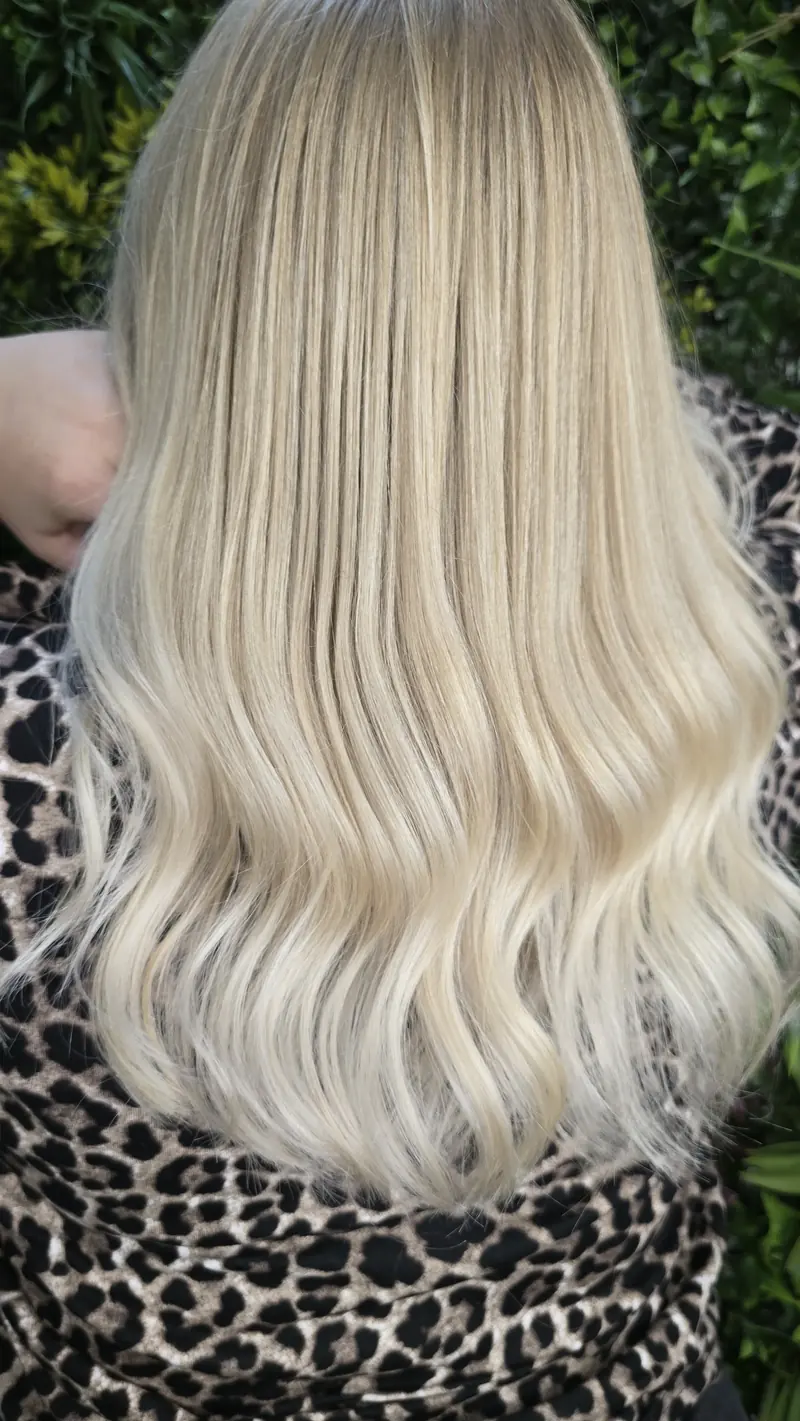
Images 01 and 02 in Jowita's gallery show one hairstyle from two angles: honey-beige blonde, darker roots and loose waves. Similarly, images 13 and 14 are two views of a single finished colour. They are useful examples of how lightness is placed, rather than before-and-after comparisons.
Notice where the transition begins, the width of the lighter strands and how much dark base remains. Think about whether you also want to style your hair that way every day. To discuss blonde colour and root shadow in Goleniów, call Studio Fryzur – Jowita Litwin on 663 304 091. The salon is at ul. Szczecińska 3/4, and real appointments are made by phone.
Before your visit
Does a root shadow mean I will have no regrowth?
No. Your hair keeps growing. A carefully chosen shadow may soften the line, but how visible regrowth becomes depends on your natural colour, grey hair and the shade used at the roots.
Can a root shadow work on shorter hair?
It can be considered on a shorter style, but the proportions need particular care. A shadow that extends too far may take up most of the length and create a darker result than you wanted.
Will purple shampoo lighten dark roots?
No. A pigmented product changes how the tone of lighter areas appears; it is not intended to lighten natural or coloured roots. Discuss colour correction with your hairdresser.