Fact: the particular treatment matters
Several different smoothing treatments are described as keratin straightening. They do not all use the same formula, application method, working temperature or aftercare instructions. A single set of instructions therefore cannot describe the whole category. Before booking, ask which product and procedure are being considered for your hair.
The aim may be easier styling, less frizz or a straighter appearance. These effects do not necessarily happen to the same degree. Someone with a gentle wave and someone with a tighter curl may get different results, even from services with similar descriptions. Be clear about whether you want to keep your volume, relax your curl or achieve a smoother finish.
Myth: smooth hair proves that all damage is repaired
Hair can look smoother and shinier without returning to the condition it was in before every previous treatment. A smoother-looking surface, easier detangling and a change in how it styles are specific cosmetic effects. They should not be confused with permanently repairing every form of damage to the hair fibre.
A hair product alone cannot permanently fuse split ends back together. Very fragile lengths need assessment and may benefit from fewer further treatments or a trim. If breakage is your main concern, do not choose straightening simply because a description mentions repair. First establish the problem you want to address and whether the proposed treatment is a suitable way to do so.
Fact: the treatment does not suit every head of hair
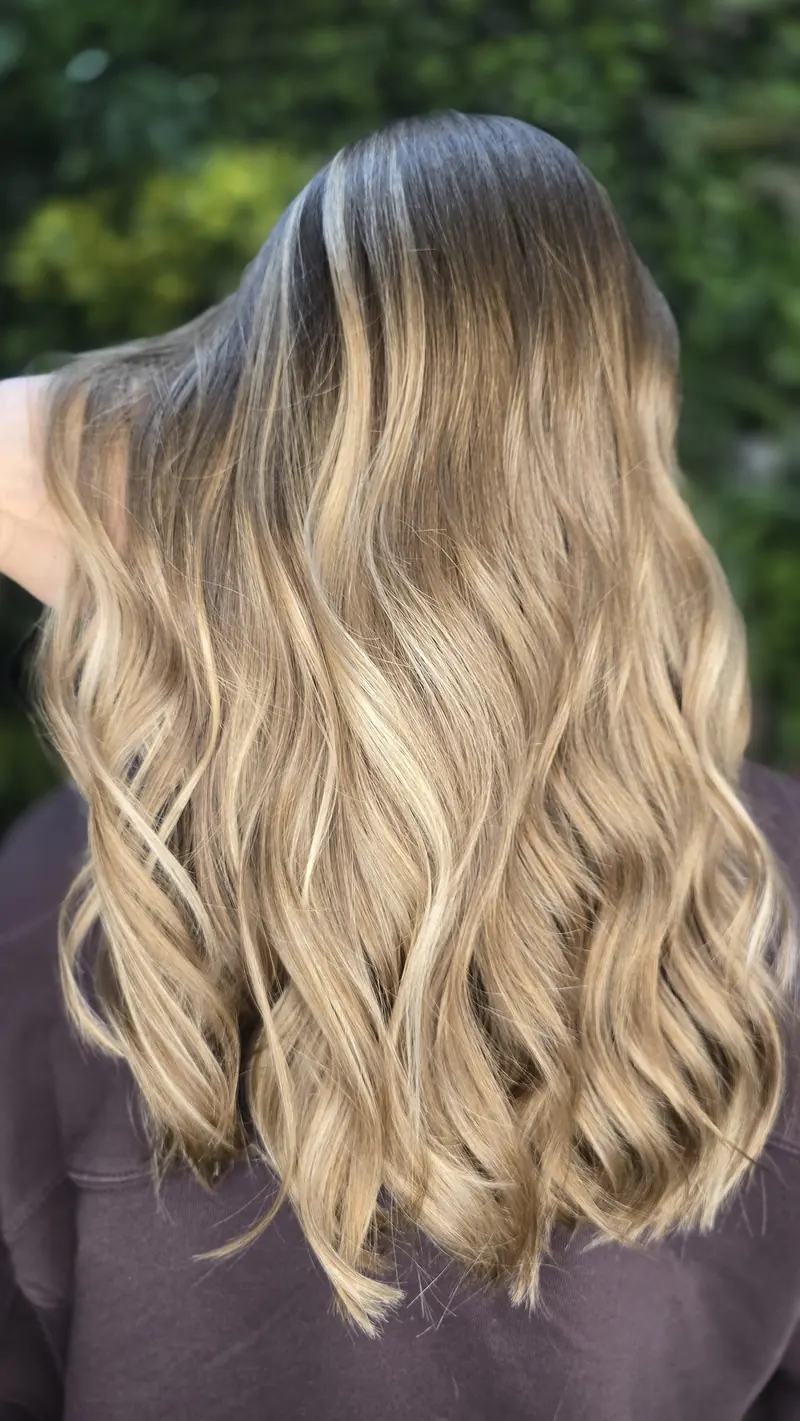
The condition of your hair matters as much as the finish you want. Mention lightening, colouring, perms, previous smoothing treatments and products you use at home. Different sections on the same head can have different treatment histories. A photograph of smooth ends does not reveal enough about their strength or how they will respond to another process.
Hair that snaps easily, tangles severely or has been lightened unevenly needs particular attention. Your hairdresser may suggest a test, a different service or postponing the treatment. If a treatment is declined, do not take that as a reason to try a randomly chosen product at home. A considered choice takes account of both your preferred result and the limits of your hair.
Myth: a product’s name guarantees its safety
Words such as keratin, natural and professional do not replace ingredient information and instructions for use. Some smoothing products can release formaldehyde when heated; this does not automatically apply to every product in the category. Ask about the particular product, its instructions, any reasons it may be unsuitable and how the treatment is carried out. This statement does not attribute those properties to any brand mentioned on this website.
Mention known reactions to hair products and any scalp concerns. Do not ignore burning, eye irritation or other worrying symptoms during the service. If a health condition raises questions about whether the treatment is suitable, discuss it with a doctor and the person providing the service. A general article or a product’s marketing name cannot establish individual suitability.
Fact: blonde hair needs individual assessment
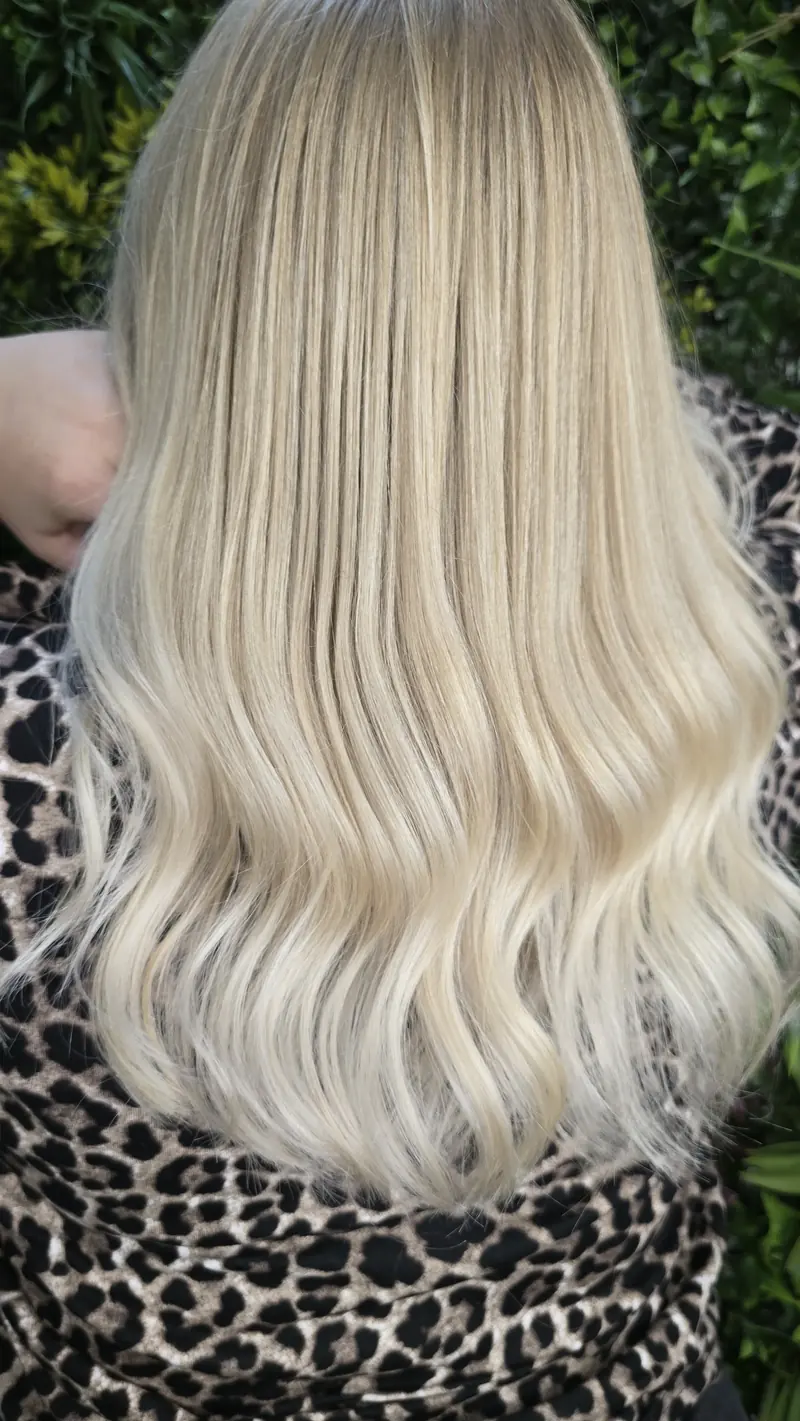
Lightened hair may require extra consideration when planning further treatments. Its history, the number of previous processes, the condition of the ends and the level of lightness all matter. Simply describing hair as blonde is not enough. Naturally light hair and heavily lightened lengths provide very different starting points.
A smoothing treatment may also affect how the colour looks, so the order of straightening and colouring should suit the specific product and plan. Avoid booking both services in an arbitrary order. Ask whether they need separate appointments and how the tone can be refreshed afterwards. There is no universal interval that can be applied safely to every procedure.
Myth: the result always lasts the same length of time
How long the effect lasts depends on the product, hair type, washing, styling and daily care. New growth keeps its own character, so a difference between the roots and lengths may become noticeable over time. Do not assume that two people will have identical results, or that every appointment will have exactly the same outcome.
During the consultation, ask how much change is realistic and what would indicate that another appointment is needed. Repeating a treatment purely by the calendar, without checking the lengths, is not a useful starting point. A change to your home routine, a different cut or less heat may matter more. The plan should respond to what is actually happening to your hair.
Fact: aftercare depends on the product used
Advice about the first wash, tying your hair up, swimming and choosing products should come from the treatment you have had. A friend’s instructions may not apply if their service was different. Ask for clear guidance and write it down before leaving the salon. If anything is unclear, ask about the specific activity, such as exercise, a ponytail or blow-drying.
You do not need to buy a whole collection of unrelated products labelled for use after keratin. What matters is following the treatment instructions and meeting the needs of your scalp and lengths. A shampoo free from one particular ingredient is not automatically the best choice for everyone. Consider the amount of conditioner and how you detangle too, as everyday handling affects how manageable your hair feels.
Myth: heat no longer matters after smoothing
Smooth hair still needs thoughtful styling. Heat protection does not replace temperature control, and repeatedly straightening the same section is not harmless simply because you have had a salon treatment. Use tools as intended and avoid repeatedly overheating the ends in pursuit of an even sleeker finish.
Try to establish whether directing the airflow properly and using gentler styling are enough for the result you want. If your hair still feels difficult to manage every morning after the treatment, explain the problem in detail when you next speak to the salon. It may call for a change of routine or clearer expectations rather than automatically repeating the process. A useful plan also respects how much time you want to spend styling.
Start with what you need from your morning routine
If you want to get ready more quickly, consider which step takes the most time. It might be detangling, drying thick lengths, turning the ends under or straightening your fringe. These challenges do not all need the same solution. Describe a typical morning and explain how much volume and curl you would like to keep. This makes it easier to compare the aim of a treatment with other styling options.
Discuss a suitable haircut, drying technique and lighter conditioning routine before deciding solely on the basis of a photograph of perfectly straight hair. A blow-dry creates a finish for that particular style, while a smoothing treatment has a different purpose and different requirements. Consider whether the result will suit your habits. The choice should address a specific difficulty without adding unnecessary treatments to your routine.
What should you ask at the consultation?
Ask what the treatment is intended to achieve on your hair, which product is used, how to prepare, any limitations and what aftercare it needs. Establish whether previous colouring affects the plan and whether a test is needed. Request the current price and expected appointment length: example figures on this website are not a confirmed quotation for your individual service.
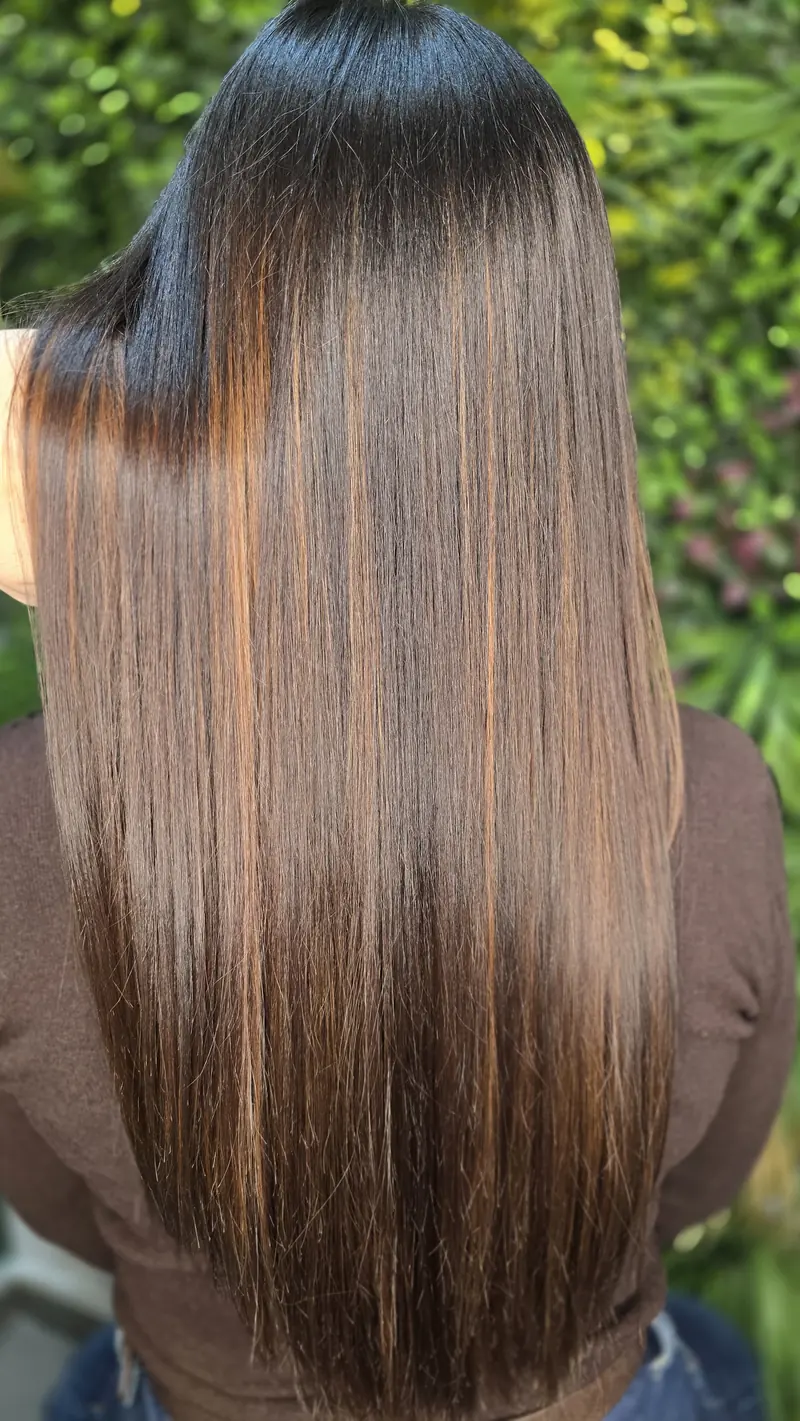
Keratin straightening is among the services at Studio Fryzur – Jowita Litwin in Goleniów. The salon is at ul. Szczecińska 3/4; call 663 304 091 to discuss an appointment and the details. The photograph of straight brown hair in this article shows a smooth finish from the portfolio, but the source material does not confirm that a keratin straightening treatment was used.
Before your visit
Is keratin straightening a medical treatment?
It should not be treated as a remedy for scalp conditions or hair loss. It is a cosmetic service concerned with how hair looks and styles. Symptoms need appropriate medical advice.
Do I always need to wait several days before washing?
That depends on the particular procedure. The timing of the first wash and other aftercare should follow the product’s instructions and the advice of the person providing the service. Do not automatically follow someone else’s instructions.
Does a photograph of smooth hair prove it had keratin straightening?
No. A similar appearance may result from styling, the hair’s condition or several different services. The gallery shows the visible finished hairstyle. A photograph alone cannot identify every treatment or product used.