Put together your hair history
Think back over previous colouring, lightening, toners, henna, straightening and other treatments that have changed your hair. Go beyond your most recent appointment. The ends of long hair may still carry the effects of much older treatments. Explain which were done in a salon and which you applied yourself, even if the visible colour seems to have washed out.
If you know the products used, write down their names or bring photographs of the packaging. You do not need to remember formulas or professional shade numbers. Saying you are unsure is more helpful than guessing. Mention uneven colour, darker bands and areas that break more easily. These details may affect the plan, because the way your hair looks now does not always reveal its full history.
Be specific about the result you want
Explain whether you want to change the lightness, tone, placement of highlights, visibility of grey hair or contrast at the roots. Wanting something different is a useful starting point, but it needs a little more detail. Think about what you like in your current colour too. You may only want a brighter area around your face or a slightly cooler tone rather than a complete change.
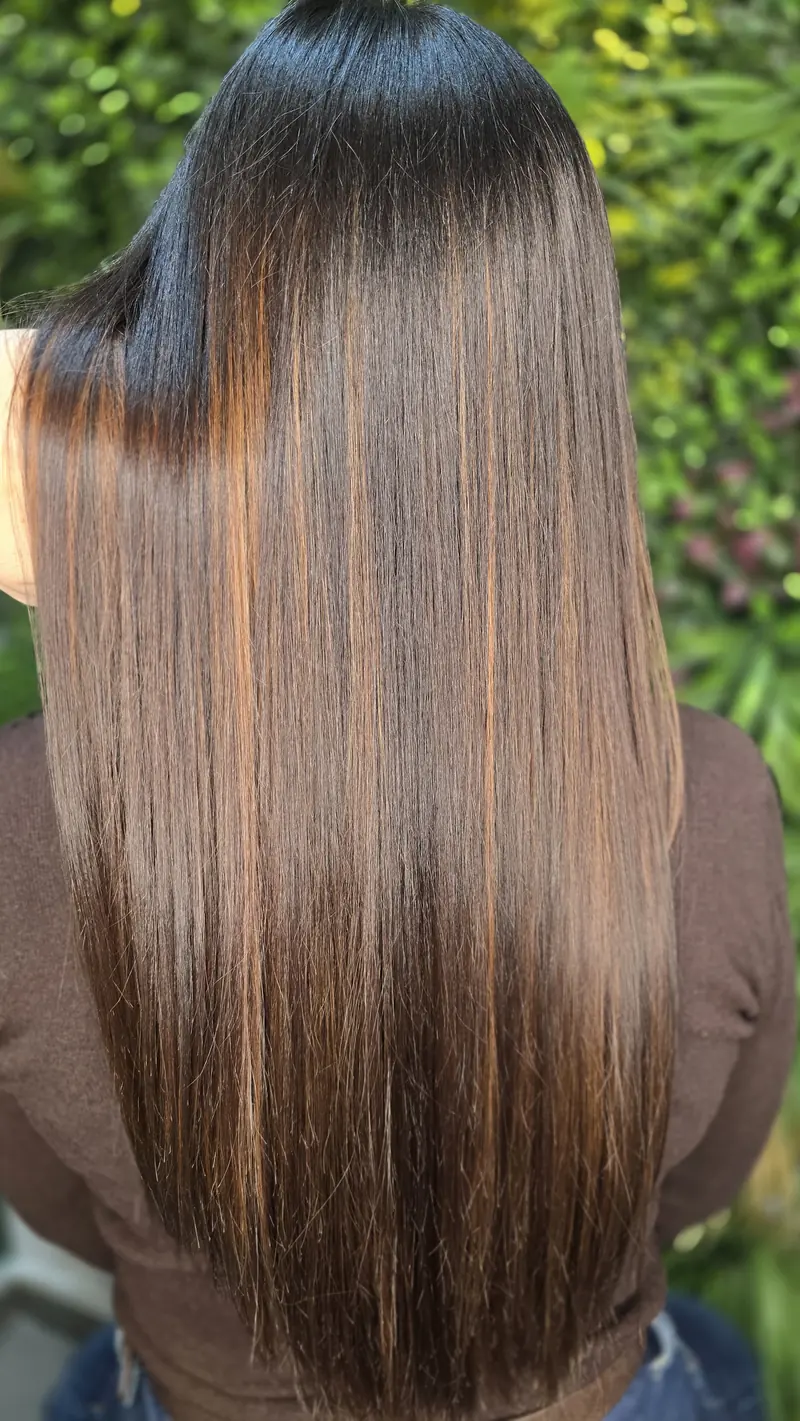
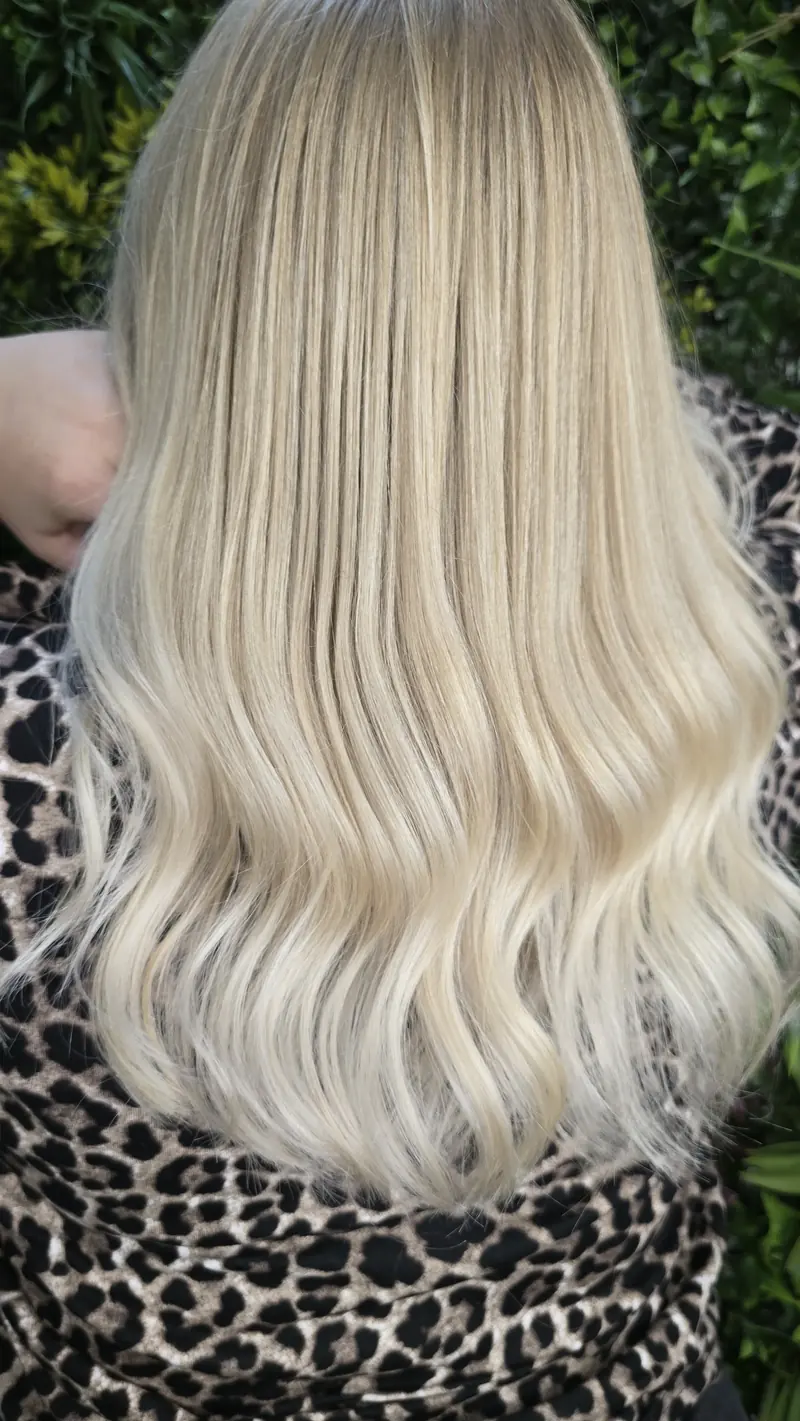
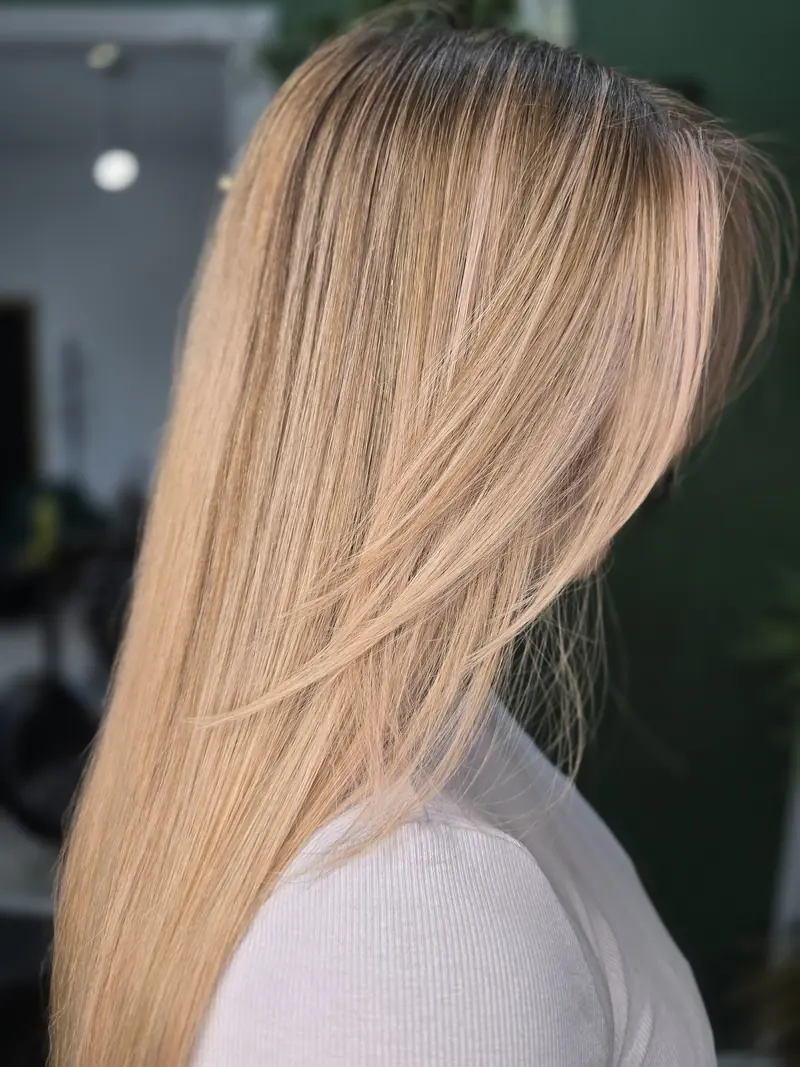
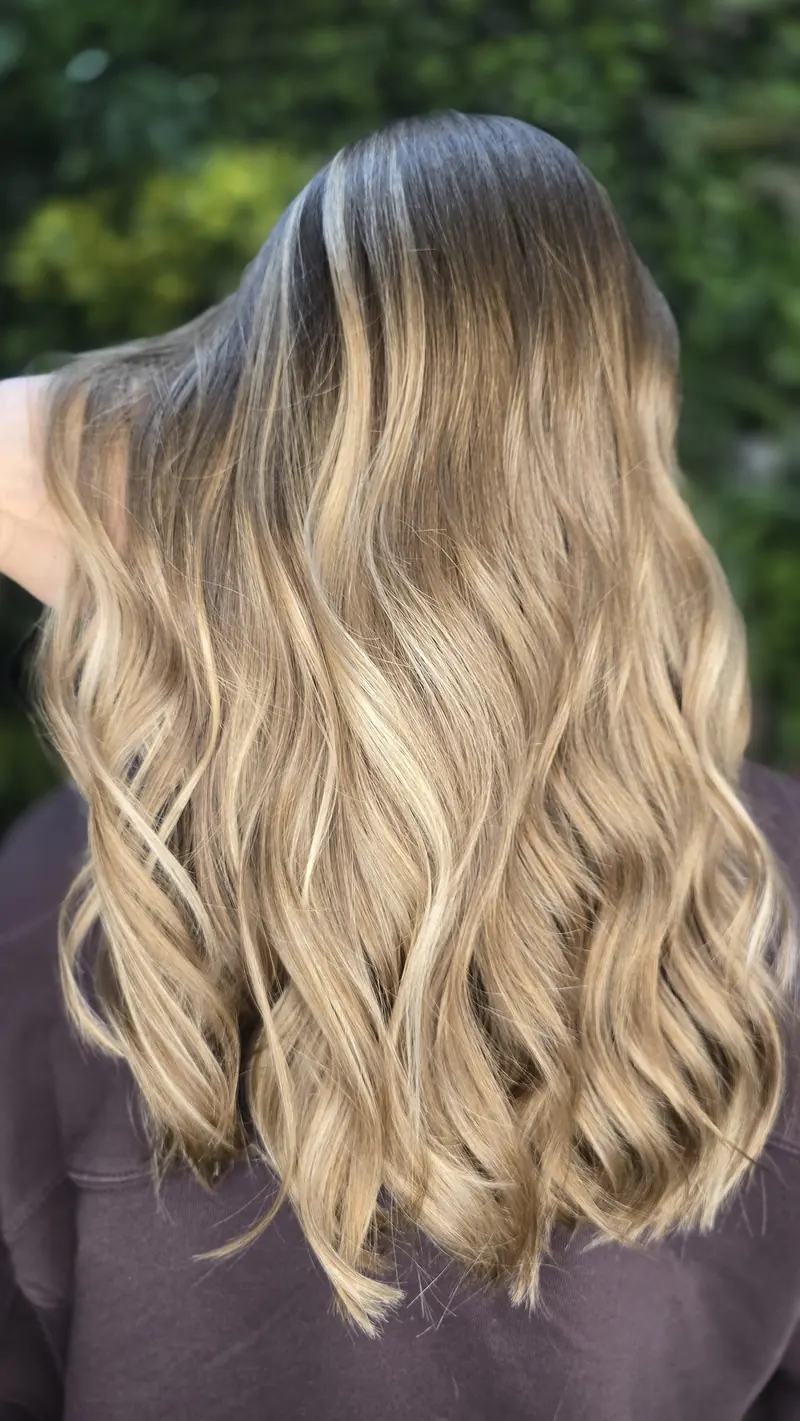
Bring a few photographs and point out a particular detail in each. One may show your preferred lightness, another a soft root blend and a third the tone. Include an example of something you would not want. Lighting, filters and styling all change how a photograph looks. Inspiration helps establish a direction; it is not a ready-made formula that works on every head of hair.
Ask about allergy testing
Before colouring, establish the allergy testing requirements for the product and your appointment. Follow the manufacturer’s instructions, including the required interval between testing and treatment. Previous colouring without a problem does not rule out a future reaction. Mention known allergies, previous reactions to hair dye and any black henna tattoos.
An allergy alert test is different from a strand test, which assesses how the hair and colour respond. A negative allergy test does not guarantee that a reaction will not occur. If you have had an allergic reaction, do not try the product again yourself; discuss the situation with a doctor and your hairdresser first. Hair dye should not be applied to irritated or damaged skin.
What is a strand test for?
With a complex colour history, your hairdresser may suggest testing a small section of hair. This helps assess its response to the planned process, the possible colour direction and the condition of the lengths. It is not an exact promise of an identical result across the whole head. Different sections may have different histories and be in different condition.
The person carrying out the service decides whether a strand test is needed, how it should be done and when. Do not replace it with a home experiment using a randomly chosen dye or lightener. Adding another product before the consultation only complicates the starting point. If the assessment suggests a smaller change, a gradual approach or postponing treatment, take that into account when planning.
Should you wash your hair before the appointment?
Ask about preparation when you book. The advice depends on the type of colour, your scalp and any products already on your hair. There is no universal rule requiring several days without washing. Heavy use of dry shampoo, hairspray or colour-depositing products can make it harder to assess the starting shade and may call for additional cleansing.
Avoid vigorous scratching or a strong scalp scrub before the appointment in the hope of helping the dye take. If your scalp is red, sore or damaged, mention it in advance. Do not hide symptoms, even if the appointment feels particularly important. Preparation should allow a proper assessment and suitable treatment, with the condition of your scalp taken into account.
Allow time for the work your hair needs
Refreshing a single shade, lightening, balayage and colour correction can take different amounts of time. Hair length and thickness matter too. Describe them when booking, and explain if you are planning a substantial change. Choosing a service name alone may not give the salon enough information to arrange the right appointment.
An estimated duration on a price list is a guide, not a guarantee of finishing to the minute. Leave enough room before an important commitment afterwards. Confirm the current service details, price and availability by phone. Figures shown on the Studio Fryzur – Jowita Litwin website are examples and remain subject to confirmation, so they should not be treated as the agreed cost of your appointment.
Be open to a gradual colour change
Moving from hair that has been dyed dark for a long time to a very light blonde may take more than one appointment. The name of a colour alone cannot tell you how many stages will be needed. The plan depends on hair history, condition, response to treatment and the desired shade. Subtler highlights or a different level of lightness may be a more suitable first step.
Discuss what you would be happy with after the first visit and how the next stages might look. This helps set realistic expectations when an inspiration photograph shows a result created from a different starting point. If you have a particular event date in mind, mention it straight away. Avoid trying to speed up the process with extra home colouring between appointments.
Think about upkeep before choosing a colour
Consider how much time you want to spend on your hair and how often you can return to the salon. An all-over light shade from the roots, subtle highlights and colour close to your natural base each look different as they grow out. The aim is to find a result that fits your everyday life.
Bring details of your shampoo, conditioner, colour-depositing products and styling tools. After colouring, ask for advice suited to the products used and the condition of your lengths. A general rule found online may not suit every colour service. Also agree when to return for a review of the tone and whether the next visit is likely to involve lightening or simply a refresh.
How to discuss the finished result
Once your hair is dry, look at the colour around your face, at the back and along your usual parting. Say whether the lightness and contrast match what you agreed. Wet hair, curls and a straight finish can create different impressions, so assess the result in a style close to how you normally wear it. If something concerns you, describe the area and what you see rather than trying to guess the formula.
Note the advice about aftercare and your next contact with the salon. A photograph taken after the appointment can provide a useful reference when discussing changes in tone. Take later photographs in similar lighting, without filters. If the result differs from your expectations, contact the salon before applying a home dye or toner. Another treatment changes the starting point for assessment and any possible correction, even when it seems like a small refresh.
Have these details ready before you call
Keep a photograph of your current hair, a few inspiration images and a brief treatment history to hand. Mention known reactions to products and any scalp concerns. Explain whether you want to go lighter, darker or simply adjust the tone. Then agree how to prepare, whether an earlier consultation is needed and any testing requirements.
For hair colouring in Goleniów, Studio Fryzur – Jowita Litwin is at ul. Szczecińska 3/4. Call 663 304 091 to discuss availability and the planned service. Jowita has run the salon since 2019 and particularly specialises in blonde hair. The website’s booking form is a demonstration, so a real appointment still needs to be confirmed by phone.
Before your visit
Can I use a toner at home before colouring?
Before an agreed colour appointment, avoid changing the base yourself without discussing it first. If you have already used a toner, share the product name, when you used it and the result you noticed. This is an important part of your hair history.
Are a strand test and an allergy test the same thing?
No. A strand test assesses the hair’s response and the colour result. An allergy test concerns a possible reaction to the product and should follow the relevant instructions; it cannot guarantee that no reaction will occur.
Can I go from black to light blonde in one appointment?
This cannot be promised without assessing your hair. Previous colouring, the condition of the lengths and your desired lightness all affect what is possible. You may need several stages or a different colour goal for the first appointment.