Jowita and the brands she works with
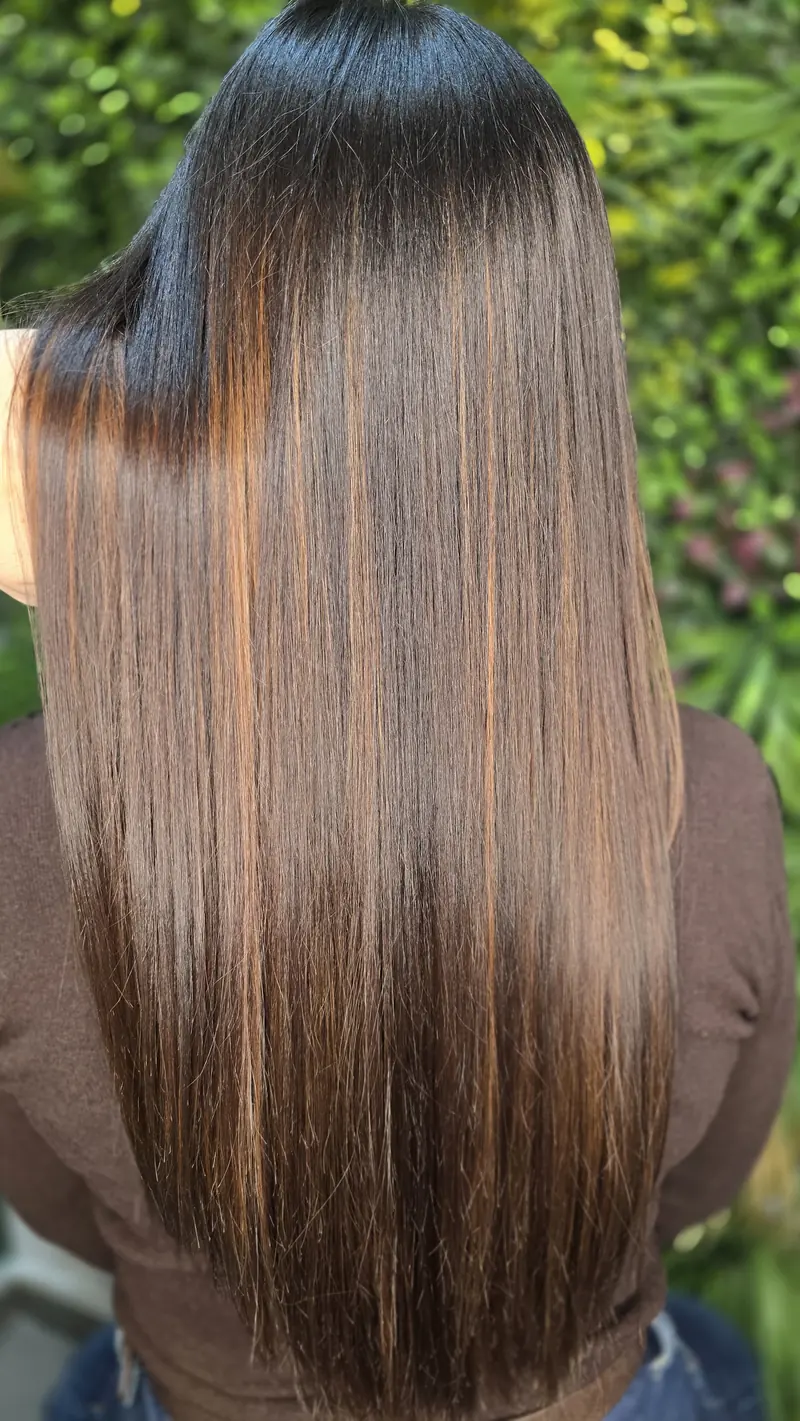
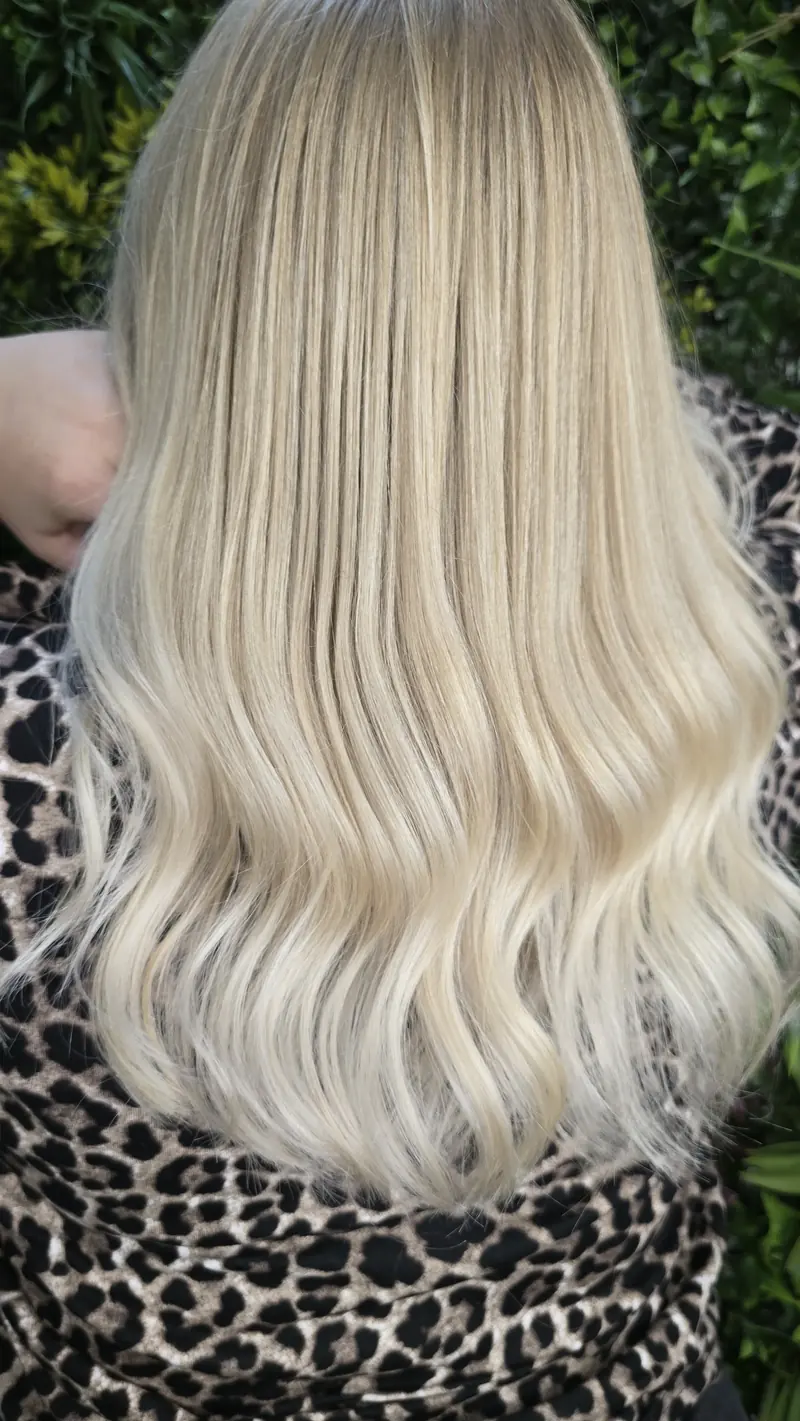
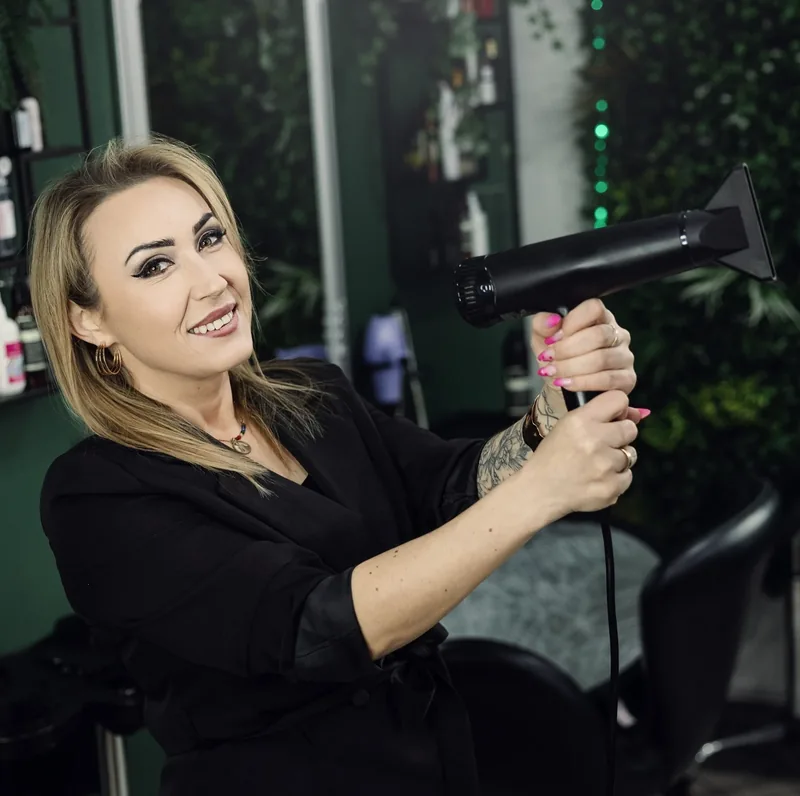
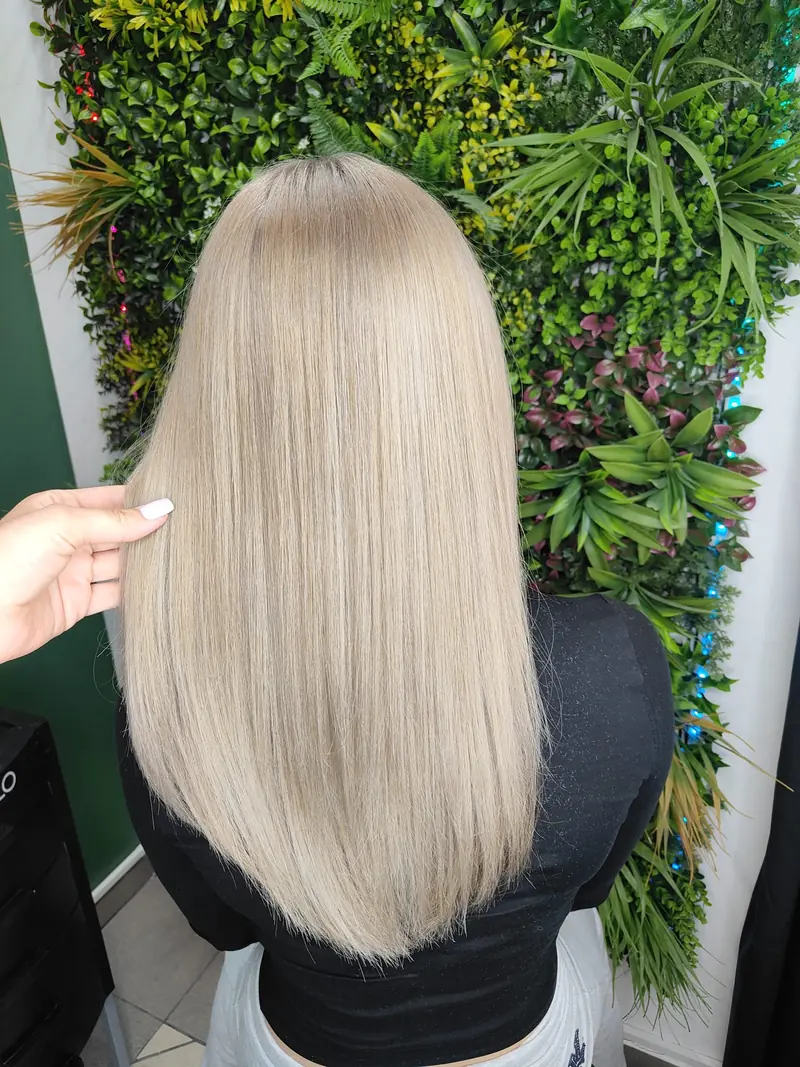
Jowita has run her own salon since 2019, particularly specialises in blonde hair and continues to develop her skills. In 2025, she completed an instructor training course. She is also an ambassador for Montibello and milk_shake. Working with these brands forms part of her professional journey. Choosing a particular product should still begin with what your hair needs now.
Before choosing a product, ask what it is designed to do and how to use it. The qualities of one formula do not necessarily apply to everything in the same brand. Check availability and whether a product can be purchased directly with the salon. If you have a particular product in mind, ask by phone or at your appointment. The brand provides a starting point for the conversation; the product still needs to suit your hair.
What does professional mean in practice?
Products intended for salon work may form part of a wider colouring, conditioning or styling procedure. Some require a specific application method and are not intended for independent use at home. Others are designed precisely for a home routine. It is worth understanding the distinction rather than assuming every bottle on a salon shelf can be used in the same way.
A professional approach brings together the right product, amount, processing time and method. A logo alone cannot guarantee the best result for everyone. Something that suits thick, dry lengths may weigh down fine hair, while a product useful for a particular style may not be needed every day. Focus on the specific job you want it to do.
Start with the difficulty you want to address
Before discussing products, identify your main concern: tangling, lack of volume, rough ends, a scalp that becomes oily quickly or a colour tone that has changed. These concerns involve different parts of your hair and may need different approaches. Explain when you notice them: immediately after washing, after drying or on the following day.
Describe your current routine. Photographs of packaging, how often you use each product and whether you use a hairdryer or straighteners are all helpful. Sometimes a smaller amount of product or more thorough rinsing is a useful first change. An extra product is not always necessary. If your scalp is painful, has a skin condition or shows other worrying symptoms, medical advice may be needed.
Choose shampoo with your scalp in mind too
Your hair colour and length matter, but shampoo is primarily applied to the scalp. Notice how comfortable it feels after washing, how easily the product rinses out and whether the routine suits how often you need to cleanse. Avoid choosing solely because a label mentions blonde hair or repair. Check the purpose and instructions of the particular product.
Massage with your fingertips instead of scratching with your nails, and avoid rubbing the lengths vigorously. Mention frequent use of styling products when discussing care. Hair with a build-up of hairspray has different cleansing needs from hair worn without styling products. A suitable application technique helps the shampoo do the job it was designed for.
Conditioner and masks should support your lengths
Conditioner is usually applied after washing to make hair easier to detangle and improve how it feels. A mask can be an additional part of the routine, depending on its purpose and your needs. A higher price or thicker texture does not automatically mean a better result. The instructions, amount used and how your hair behaves once dry are more useful guides.
Spread the product evenly through the appropriate sections. Fine ends may need less than thick, lightened lengths. If hair feels heavy, flat or looks less fresh soon after conditioning, review how you are applying it. Equally, dryness does not necessarily mean you should keep extending the processing time. Return to the instructions for the particular product.
Use colour-depositing products with a clear purpose
Purple shampoo and other colour-depositing products are not a universal answer for every blonde. They may be designed to counteract particular tones visually, rather than lighten the hair. Beige, honey and cool blonde each have a different colour direction. Over-cooling a warm shade may take it away from the result agreed at your colour appointment.
Ask whether you need added pigment, how often to use it and which sections need it. Porous, very light ends may take up colour differently from the roots. Avoid combining several colour-depositing products at random and expecting a precise correction. If the tone has become uneven, discuss a colour refresh and your current routine. A professional brand still needs to be used with care and a clear purpose.
Styling and heat protection
Styling products have particular roles: adding volume, providing hold, smoothing or protecting against heat. Check when to apply the product and which parts of your hair it should go on. A leave-in product, hairspray and rinse-out conditioner are not interchangeable steps. Too many layers can make a light, airy finish harder to achieve.
Heat protection does not make hair resistant to every temperature. Continue to avoid overheating, keep the hairdryer moving and limit repeated passes of straighteners over the same section. Ask about a styling method that suits your haircut as well. A simpler drying technique can sometimes reduce the number of products needed and work better with your hair’s natural shape.
Read the label and follow the formula’s instructions
Check the product’s intended use, instructions, warnings and storage advice. If you have a known allergy, the brand name alone is not enough to assess a particular formula. Ingredients vary between products, and current packaging and documentation matter more than a general online description. If you are uncertain, ask about the specific product rather than guessing.
Do not dilute, mix or extend the processing time of salon products on your own initiative. This is especially important for professional colouring and treatment products. A familiar brand name does not change the instructions for use. Your home routine should be clear and easy to repeat safely without improvising formulas.
Make thoughtful use of products you already own
Before buying anything, check the products you have at home and what each is for. Several open masks with similar purposes can make it harder to judge what works without necessarily improving your routine. Check the period-after-opening symbol and storage advice. A familiar smell alone does not establish that a product is still suitable to use. Keep the labels and avoid transferring products into unmarked containers.
If you want to change brands, show your existing products and explain what you feel is missing. You may only need to replace one item and continue using the others as directed. Agree how much to use each time: a generous application does not guarantee a better result and may make thorough rinsing harder. A sensible collection should be easy to maintain over time, both as a routine and in terms of regular use.
Make a simple plan for your next few washes
After a consultation, aim to know what to use, how much and how often. Note how you will judge the result too. If tangling was the problem, pay attention to detangling. If you wanted more volume, look at the roots after drying. Change your routine gradually so you can tell which adjustment is helping.
You can ask about Montibello and milk_shake products and suitable haircare at Studio Fryzur – Jowita Litwin, ul. Szczecińska 3/4, Goleniów. Call 663 304 091 to confirm the current availability of particular products and arrange an appointment. The aim is to find care that suits your hair; you do not need to buy an entire range simply because all the bottles share a brand name.
Before your visit
Is Jowita Litwin an ambassador for both brands?
Yes. Jowita has confirmed that she is an ambassador for Montibello and milk_shake. The materials supplied for this website do not include a complete list of the ranges used or a current list of products available to buy.
Can I use a professional product at home?
It depends on the product. Some formulas are intended for home care, while others require salon use. Check the instructions and intended use before applying a product.
Must my shampoo and conditioner be from the same brand?
There is no universal requirement. What matters is the purpose of each product, the needs of your scalp and lengths, and any instructions for a particular treatment. Discuss a suitable combination in the context of your current routine.