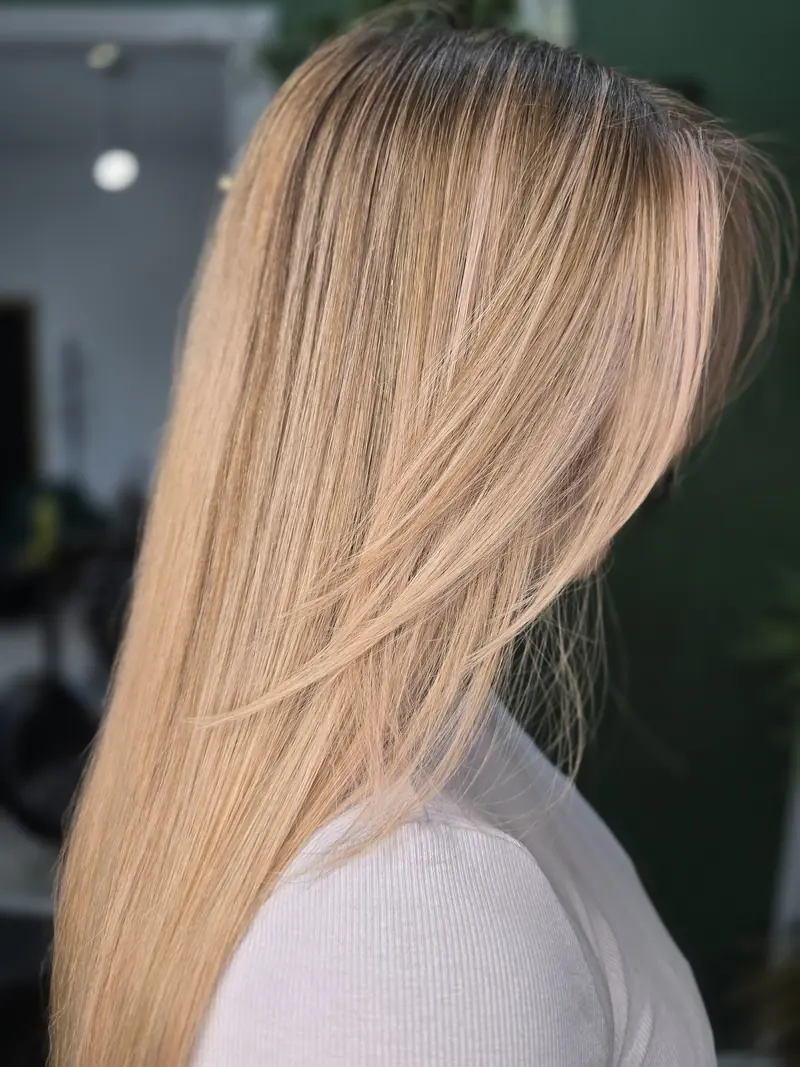
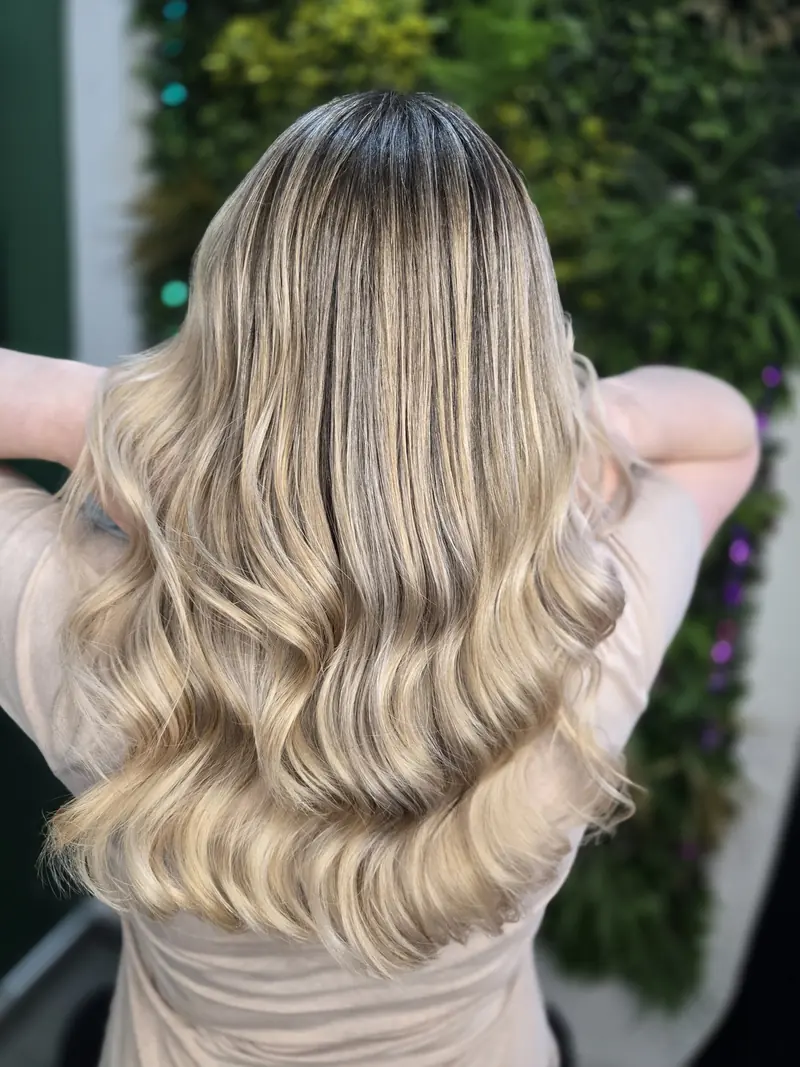
Choose your inspiration and decide what matters most
Collect a few photographs showing the front, side and back of the hairstyle. The back of an impressive bun tells you little about how you will feel with your face uncovered. Explain whether volume, loose strands, a smooth finish or showing your neckline matters most. Bring an example of a style that feels too tight, too romantic or too high for you as well.
Look for inspiration on hair of a similar length and thickness to yours. Some photographed styles use extensions or padding, which may not be obvious at first glance. Discuss whether similar proportions are possible before the appointment. Choosing a version that works with your own hair is more useful than expecting an exact copy without knowing how the original style was created.
Consider your dress, veil and accessories
Bring a photograph of your dress to the consultation, particularly the neckline and back. Your hairstyle can reveal a detail or partly cover it. Earrings, a comb, a headband and the position of the veil also affect the overall look. Bring the actual accessories to your trial if you have them; a substitute may be a different weight or attach in a different way.
Say whether you will keep your veil on throughout the celebration or remove it later. Agree who will help take it out and how to do so without disturbing the hairstyle. If you plan to change accessories during the day, discuss that too. A small practical detail can make more difference to your comfort than another inspiration photograph saved on your phone.
What is a bridal hair trial for?
A trial lets you check the proportions, comfort and behaviour of your hair in the chosen style. This is the time to say if strands around your face get in the way, the bun feels too high or you notice too much tension. Mention discomfort straight away instead of assuming you have to put up with it. Comfort is part of a thoughtfully planned hairstyle.
If possible, look at the result in different settings and take photographs from several angles. A trial helps you assess a particular style; it cannot guarantee the same response to every kind of weather. Afterwards, note what you would like to keep and what you would change. Check whether any planned colouring or cutting will affect the length needed for the updo.
Plan colour and cutting appointments in advance
A new colour, a substantial cut or a change to your fringe can affect how an updo looks. Discuss the order of these appointments in good time, especially if you are considering a major change. There is no ideal colouring date for everyone: it depends on the plan, your hair history, whether the treatment is suitable and appointment availability.
Avoid arranging several intensive treatments close together without giving your hairdresser the full picture. Mention straightening, extensions, lightening and any colour applied at home. If your trial takes place before your final haircut, agree how much can be removed while keeping enough length for the chosen style. A trim and a significant change of shape can have very different consequences for an updo.
How should you prepare your hair?
Agree washing and drying instructions when you book. There is no rule that every bridal hairstyle requires hair washed the day before, or only on the morning itself. Your scalp, hair type, usual products and chosen styling method all matter. Explain if your hair becomes oily quickly or feels uncomfortable when you leave it unwashed.
Do not add a heavy mask, oil or a large amount of smoothing product before the appointment unless you have agreed this. Follow the preparation advice for your particular service. If you have been asked to arrive with dry hair, allow enough time to dry it thoroughly. Damp lengths hidden beneath a dry top layer can delay the start of styling.
Leave breathing space in your wedding morning
Write down every part of the morning: hair, make-up, dressing, photographs, collecting accessories and leaving for the ceremony. Confirm the time needed for each service with the person providing it. Avoid building the schedule around estimates found online. If several people are having their hair done, agree the order and what each appointment involves rather than assuming they will all take the same time.
Leave a comfortable margin between each stage. Wear something you can remove without pulling it over your finished hair; a button-through top is practical. Gather your accessories in one place beforehand. If the ceremony time changes, let everyone involved know as soon as possible, because it affects the appointments and journeys around it.
Several things affect how a hairstyle holds
How a style behaves depends on your hair type, its shape, the products used to hold it, humidity and activity. Loose waves, a sleek bun and a relaxed updo each have their own character and move differently. It would be unrealistic to promise that every single hair will stay still whatever the weather or the events of the day.
During the trial, discuss which parts need to remain neat and where you like a softer, more natural finish. Ask which small adjustments you can make yourself and which parts are best left alone. Frequently touching loose strands or repeatedly adding hairspray can change the result. A simple plan for looking after the finished style is more helpful than a promise of unlimited hold.
Keep scalp comfort in mind
If you find tight styles, heavy accessories or particular styling products uncomfortable, say so before the appointment begins. Share any known reactions to hair products. If your scalp is irritated or you notice other concerning symptoms, raise this before the style is nearly finished. The appointment or the planned service may need to change.
After the event, remove pins and accessories slowly, one at a time. Avoid forcing a brush through tangled sections or sleeping with your hair pulled tightly into an updo. Wash and detangle in a way that suits the products used and your usual routine. If you are unsure how to take the style down carefully, ask while you are still in the chair.
Make useful notes after your trial
Once you are home, notice how the hairstyle behaves as you move normally. Can you see comfortably when you turn your head? Does the accessory still feel comfortable? Do you like the loose strands away from salon lighting? If you want to give useful feedback, avoid immediately rearranging the whole style. Take a few photographs from similar angles so that you can discuss a specific detail clearly.
Share your feedback before the celebration, particularly if you are considering a different veil, a substantial cut or completely new inspiration. A small adjustment and an entirely new idea need different amounts of preparation. Agree which accessories you will bring again and which details are settled. Keeping a written record means you do not have to recall every decision on your wedding morning, leaving more room to get ready calmly and enjoy the appointment.
What should you mention when booking in Goleniów?
Have your event date, the time you need to be ready, your trial plans and your approximate hair length to hand. Say whether the appointment is for a bride, a wedding guest or another occasion. Mention a veil, accessories and any additional hair pieces. Confirm availability, the planned service and the current price by phone; the example figures on this website are not a binding quotation.
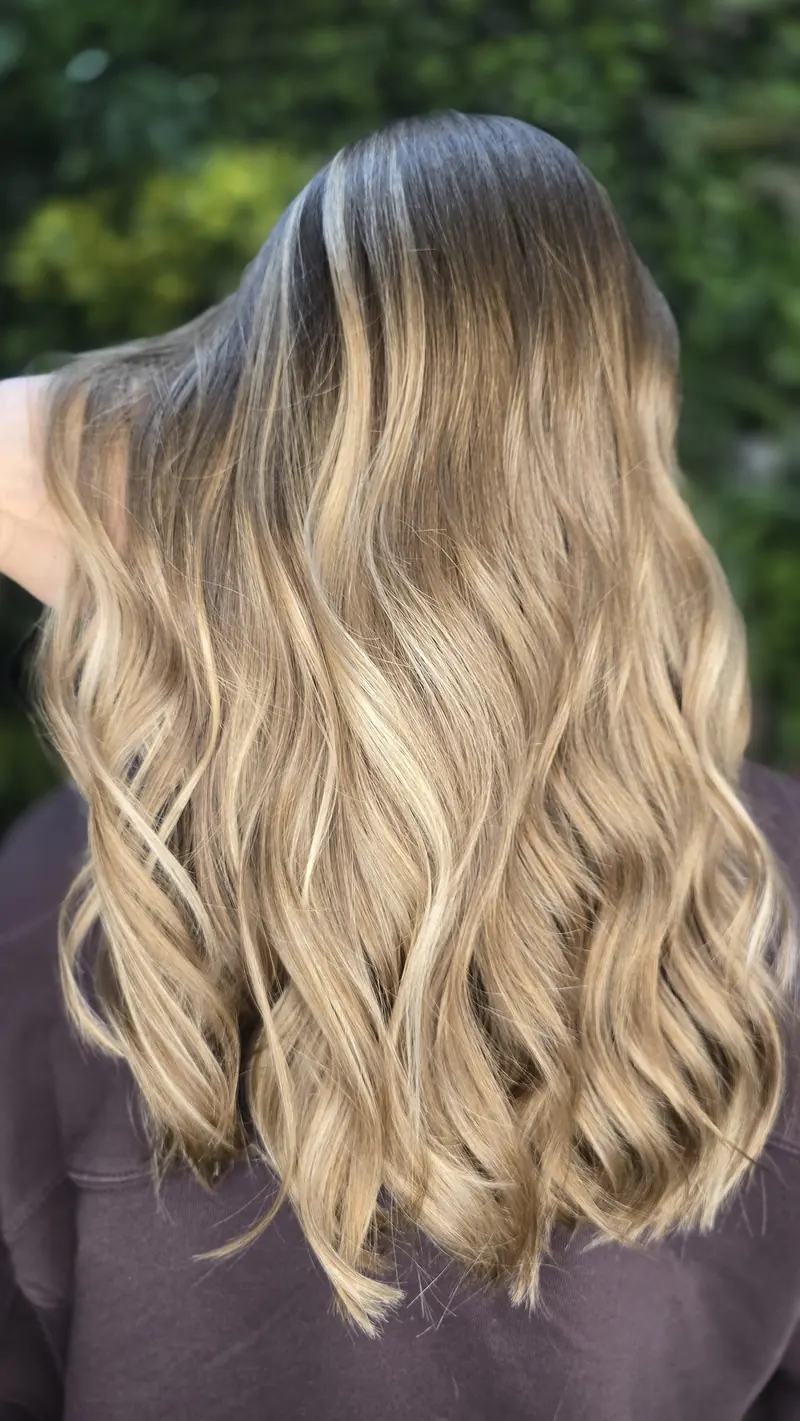
Bridal and special occasion hair are among the services at Studio Fryzur – Jowita Litwin, ul. Szczecińska 3/4, Goleniów. To book, call 663 304 091. The photograph of waves in this article is a piece of Jowita’s portfolio offered as styling inspiration. It does not document a confirmed bridal hairstyle or identify a particular bride.
Before your visit
Is a bridal hair trial compulsory?
Discuss the arrangements and availability of a trial by phone. A trial can be especially useful for an important celebration, a veil, new accessories, or any uncertainty about the comfort and shape of an updo.
Should I wash my hair on my wedding day?
Agree this with your hairdresser for your hair type and chosen style. There is no single answer that suits everyone. It is also important to agree how to dry your hair and which products to use before the appointment.
Can shorter hair be put up?
It depends on the length of each section and the shape you want. A half-up style or a blow-dry with an accessory may sometimes work better. Show your current hair and your inspiration before agreeing the service to book.